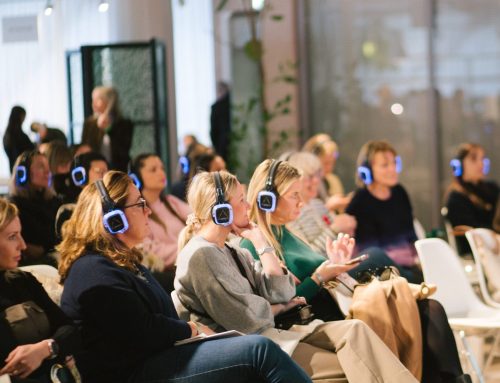
Future Proofing: The Everyday Habits That Shape Our Future Health and Happiness
Future health is no longer viewed through a single lens or isolated practice. Instead, a more integrated conversation is emerging around how we care for our skin, support our bodies and strengthen our emotional wellbeing. As science and self-care continue to evolve, the question is no longer simply how we age – but how we can take a more proactive approach to ageing well: physically, mentally and emotionally.
Edited by Victoria Smart

Increasingly, prevention is replacing correction. From collagen stimulation and metabolic health to hormone optimisation, nervous system regulation and mindfulness, wellbeing is becoming less about quick fixes and more about building resilience from the inside out.
But what does that actually look like in practice?
According to aesthetic doctor, Dr Saleena Zimri, it starts with mindset. Rather than waiting for concerns to appear before treating them, the focus is moving towards supporting the body’s natural repair processes and preserving healthy skin over time.
One of the biggest shifts Zimri has witnessed over the past decade is how informed patients have become – as well as how their priorities have evolved: “people are really looking to future-proof their skin in the sense that they want to prevent rather than cure”.
While many now arrive having researched treatments online, they’re increasingly looking for expert guidance to help them understand what their skin actually needs. And that conversation naturally leads to collagen.
While collagen has become one of skincare’s most familiar buzzwords, Zimri stresses that its importance extends far beyond aesthetics. “As the body’s most abundant structural protein, collagen supports not only the skin, but also bones, cartilage and connective tissue – and we start to lose it as early as our mid-twenties”. This decline accelerates during peri-menopause as oestrogen levels begin to fall, making collagen stimulation increasingly important long before visible ageing appears.
Rather than simply replacing lost volume with traditional dermal fillers, regenerative bio-stimulators are becoming an increasingly popular way of encouraging the body to produce its own collagen. Products such as Juläine (a unique, poly-L-lactic acid based collagen biostimulator) work by encouraging the production of collagen, helping to gradually improve skin quality, firmness and elasticity while supporting the skin’s long-term structure. As Zimri explains:“we can fill what needs to be filled – but then we need to work on things like skin quality”.
While regenerative treatments have transformed aesthetic medicine, Zimri reminds us that some of the most powerful interventions happen at home, revealing the biggest contributor to collagen loss: “the number one is UV”. Daily sun protection remains the single most effective anti-ageing habit, followed by evidence-based skincare including antioxidants and retinoids. Lifestyle factors, from smoking to significant weight fluctuations, also play a substantial role in accelerating collagen breakdown.
Refreshingly, she believes skincare doesn’t need to be complicated, “an SPF, an antioxidant and some form of retinol are my three go-to things”. Sometimes, future-proofing really is about mastering the basics.
While Zimri focuses on the skin, functional medicine practitioner, Dr Mayoni Gooneratne, takes a broader view of health. For her, future-proofing means protecting our healthspan – not simply extending our lifespan: “it’s making sure that your health allows you to do what you want to do, for as long as you want to do it”. Rather than treating isolated symptoms such as fatigue, brain fog or weight gain, functional medicine looks for the patterns connecting them – and Gooneratne’s consultations are rooted in understanding the individual. “I want to literally walk a day in the life of my client”, she explains. Only then does testing become meaningful, helping to answer questions rather than create unnecessary anxiety. It’s an approach that reframes health as deeply personal rather than protocol-driven.
Hormones, inevitably, play a significant role – however, rather than seeing them as something to battle, Gooneratne encourages women to view their bodily chemicals as intelligent communication systems, “hormones are our friends – they are here to protect us”. Symptoms such as anxiety, disrupted sleep, irregular periods or brain fog are not simply inconveniences to ignore – they’re messages inviting us to understand what’s happening beneath the surface.
Gooneratne also highlights the importance of understanding “ovarian ageing”, explaining that our reproductive health often tells us more about our future wellbeing than many of the newer biological age tests dominating the longevity conversation. Perhaps most importantly, she reminded us that perimenopause represents one of the greatest opportunities women have to influence their long-term wellbeing: “it’s the biggest and most powerful window that we as women have to alter our future health.” Rather than fearing this stage of life, we can prepare for it proactively and confidently.
When conversations turn to longevity, it’s easy to focus on supplements, biomarkers and wearable technology; however, Gooneratne believes one of the most powerful predictors of long-term health is far simpler: “we are human beings that are a species that loves hanging out”. Social connection helps regulate stress, improve resilience and support both physical and emotional wellbeing. Future-proofing, she reminds us, isn’t just biological – it is relational.
For meditation teacher, intuitive and tarot reader, Emily Halil, longevity begins somewhere many people overlook: “future-proofing starts in the nervous system”, explains Halil. “In a culture that rewards constant productivity, our nervous systems rarely have the opportunity to fully down-regulate – yet it is often in those quieter moments that healing, creativity and intuition begin to emerge”.
Crucially, Halil challenges the misconception that meditation is the only route to stillness. Whether it’s gardening, walking in nature, making coffee or simply allowing ourselves to be fully present, moments of gentle awareness all help calm the nervous system: “we don’t have to meditate to take advantage of slowing down”.
Slowing down also creates space for intuition – something she believes many of us have learned to ignore. “The world is so noisy that the quietest voice in the room oif often our intuition”. From asking friends what to wear, to relying on AI to make everyday decisions, we’re increasingly outsourcing our inner knowledge. Her advice is surprisingly simple; “start small. Just trust your own decision”. By making small everyday choices without constantly seeking reassurance, we slowly rebuild confidence in ourselves. As she often reminds clients after a tarot reading: “you already knew that”.
Taken together, these insights confirm that future-proofing isn’t achieved through one discipline alone. Healthy skin, balanced hormones, emotional resilience, social connection and self-awareness all play an equally important role in shaping how we age.
Future-proofing isn’t about doing more – it’s about paying closer attention: to our skin before damage appears, to our hormones before symptoms escalate, to our relationships before isolation takes hold…. And perhaps most importantly, to ourselves before the noise of everyday life silences our intuition.
Want to hear more from these experts? Catch up on our Future Proofing conversation, here.